Sunday Musings - Fabling About
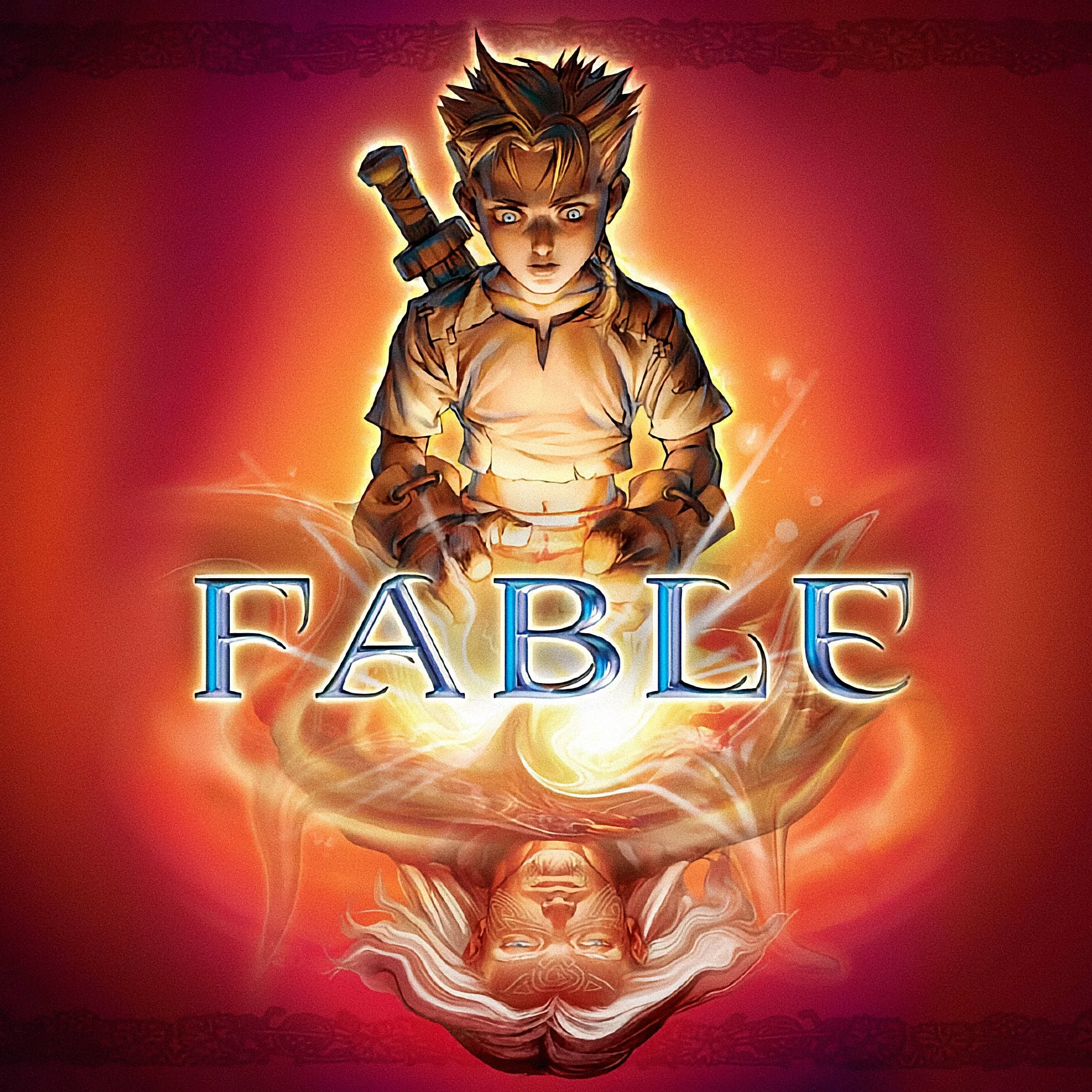
Back in 2004, Fable arrived with the thunderous fanfare of promises too big for its boots. Peter Molyneux, gaming’s most ambitious dreamer and perhaps its most notorious over-promiser, envisioned a living, breathing RPG—a game where every choice mattered, every acorn could grow into a tree, and every action left ripples through the land of Albion. It was a compelling vision. A world that didn't just react to your heroics or villainy, but evolved alongside your journey. Morality wasn’t supposed to be a binary, but a vast spectrum. You wouldn’t just be a warrior—you’d be a legend, remembered by name, feared or revered in every corner of the realm. That was the dream.
The reality? Not quite the revolution we were promised. But somehow, despite the missing acorns and morality systems that felt more like mood rings than philosophical conundrums, Fable still managed to charm the boots off a generation of players. It wasn’t perfect. It wasn’t even especially deep. But it was delightful. Fable was a tale told with a wink, full of heart, humor, and the kind of imaginative flair that helped it stand out in a genre often obsessed with grit and gloom. Even today, its legacy lingers—not for the systems it innovated, but for the joy it sparked.
At the heart of Fable was a morality system that aimed high and landed somewhere around “Saturday morning cartoon.” The idea was that your character’s actions would shape not just the story, but your very appearance. Do good, and you’d literally glow—sporting a divine halo and a swarm of butterflies to match. Go bad, and your skin would pale, your eyes would burn red, and menacing horns would sprout from your head like you’d walked off the set of a heavy metal album cover. It was morality at its most theatrical. Townsfolk would cheer your presence or flee in terror depending on your alignment, but the nuance? That got left on the cutting room floor. There was no deep exploration of ethics, no consequences that lasted more than a few minutes. You could rob someone in broad daylight, then buy them a pint and a bouquet the next day, and all would be forgiven. If anything, Fable taught us that redemption was only ever one sarcastic gesture away.
And speaking of gestures—Fable gave you buttons for those too. You could wave, pose, dance, or even pass gas on command. In most RPGs, dialogue is king. In Fable, flatulence was a valid conversational tactic. It was all part of the game’s delightfully weird tone: a fairy tale reimagined with British slapstick, tongue firmly in cheek, and the dignity of its hero constantly in question. You could be a demon-slaying, spell-slinging, godlike warrior—and still spend ten minutes trying to impress someone by flexing in front of them and making chicken noises.
Combat in Fable was another place where ambition met accessibility. You had three core disciplines: melee, ranged, and magic. Each could be mixed and matched with satisfying fluidity, and special abilities like Slow Time or Summon added a magical flair to fights. Visually, it all looked great—sweeping sword strikes, flaming hands, spectral allies. Mechanically, however, it wasn’t long before you realized the system was easy to exploit. A well-timed Slow Time made most encounters laughably trivial. Pair it with a few overpowered spells, and you could wander through dungeons like a supernatural librarian, calmly silencing enemies as you collected books and loot. It made for a fun power trip, sure, but not much of a challenge. For RPG veterans, Fable’s combat was more spectacle than strategy. But it was hard to complain when it looked so good and let you summon a ghost to do half the work for you.
What Fable lacked in difficulty, it made up for in sheer personality—and nowhere was that clearer than in its economy. While most RPGs have you grinding for gold and loot, Fable let you realize that the true path to greatness was property ownership. Forget legendary swords. The real endgame was becoming Albion’s wealthiest landlord. You could buy houses, rent them out, raise prices, and eventually own entire towns. Heroes of old slayed dragons. You? You inflated the housing market. And hilariously, the game never punished you for it. Want to raise rent during a famine? Go ahead. Want to own the blacksmith’s shop and then jack up sword prices for wandering adventurers? The moral implications of jyeconomicdomination were, like qjmuch in Fable, left for the player’s imagination.
Romance in Fable was equally absurd. Courtship consisted mostly of smiling, dancing, and giving someone enough gifts until they agreed to marry you. Once hitched, you could move them into one of your homes—assuming you hadn’t already filled it with another spouse. That’s right: Fable had no real punishment for polygamy, nor much in the way of long-term relationship consequences. Want to marry a baker in Oakvale and a farmer in Bowerstone? No problem. Just don’t visit them back-to-back or you might get some awkward stares. And while your family technically existed, they mostly sat at home doing nothing while you went out kicking chickens and building your real estate empire. It was domestic life, Fable-style: simple, optional, and deeply weird.
And then there was the acorn.
Ah yes, the infamous acorn—the symbol of everything Fable could have been. Molyneux once promised that you’d plant an acorn in the game, and over time, it would grow into a tree, mirroring your journey. It never happened. Not even close. But that acorn became legend, representing the gap between vision and reality. It stood for the systems that almost made it in: meaningful relationships, lasting consequences, a living world that truly evolved with you. What we got instead was more like a beautifully painted stage set—convincing from a distance, a bit hollow when you leaned in.
And yet, despite all its cracks and shortcuts, Fable worked. It worked because it didn’t take itself too seriously. It wasn’t about chasing realism. It was about stories—your stories. The time you seduced a barmaid while wearing bandit gear. The moment you accidentally farted during a wedding proposal. The time you realized your most powerful spell wasn’t fireball or lightning, but property management. It was a game that let you be ridiculous, powerful, kind, cruel, and everything in between—often all within the same play session.
Looking back, it’s clear Fable wasn’t the revolution Molyneux described. But it didn’t need to be. It was something rarer: a game with a genuine sense of fun. A fairy tale RPG with a beating heart and a mischievous grin. It made players laugh. It made them care, if only briefly, about the opinions of townsfolk and the price of rent. And through all its flaws, it made them feel part of Albion, even if the world was more puppet show than sandbox.
Now, with a reboot on the horizon, there’s hope that Fable might finally fulfill the legacy it’s always chased. Maybe this time the acorn will grow. Maybe we’ll see a morality system with depth, an economy with limits, combat that challenges, and relationships that feel real. Or maybe we’ll still be farting at villagers in fancy armor. Honestly, either way sounds like a good time.
Because in the end, Fable wasn’t about being the perfect RPG. It was about telling messy, silly, heartfelt stories. It was about choices, chickens, and charming chaos. And that’s why we still remember it—not for what it was supposed to be, but for the unforgettable nonsense it actually was.